

You bought a used bucket truck at a utility fleet auction, sold one to a tree service three states away, or need a digger derrick moved to a new yard before the next storm season. Knowing how to transport a bucket truck starts with three facts: stowed travel height (boom in its cradle, platform down), shipping weight, and whether the truck is road-legal and running. Get those right and Logi Transports can match the move to driveaway, step deck, or RGN — without a surprise oversize permit or a trailer that will not clear the boom.
Ready for a real quote? Call (864) 791-5644, email quotes@logitransports.com, or use our quote request form. Send stowed-position specs and we will route the right equipment for your bucket truck transport.
Why bucket trucks are tricky to ship
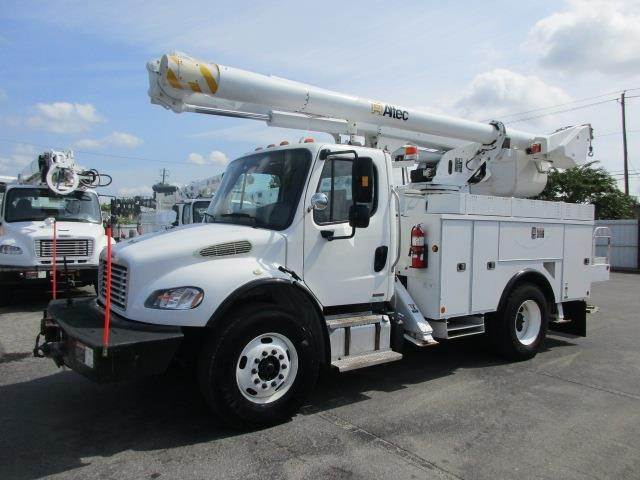
A bucket truck is a road vehicle with a piece of heavy equipment bolted on top. That combination is what makes it different from a dump truck or a straight box truck. The chassis may be a light-duty Class 4 or 5, a medium-duty Freightliner M2 or International, or a heavy tandem-axle digger derrick — and the aerial device on top adds height, weight high on the frame, outriggers, and sometimes a material handler or jib.
On its own wheels, a stowed bucket truck is often legal to drive. Put that same truck on a trailer and the stowed boom height plus deck height is suddenly the number that decides legal versus permitted travel. That is why the first question we ask is not “where is it going?” but “does it run, and how tall is it with the boom in the cradle?” If you are comparing deck types, our guide on RGN vs step deck vs flatbed shows when each option wins.
The legal envelope: height, width, and weight
Federal size and weight rules set the Interstate baseline; states fill in height and many route details. The FHWA maintains an overview of truck size and weight policy. There is no federal maximum vehicle height — states set their own, and most range from 13′6″ to 14′, as summarized in FHWA’s federal size regulations report. On the National Network and reasonable access routes, the federal width limit is 102 inches.
Weight on the Interstate system is governed by the Federal Bridge Formula: generally 80,000 lb gross, 20,000 lb on a single axle, and 34,000 lb on a tandem, subject to the formula and state grandfather rights. A lighter bucket truck on a trailer rarely gets close. A heavy digger derrick with a tandem rear axle, plus tractor and trailer, can — so shipping weight and axle count matter for the quote.
If your origin or destination is Florida, state law caps height at 13 feet 6 inches inclusive of load and width at 102 inches (Florida Statute 316.515). Other states on your corridor may be similar or slightly higher. When the stack goes past the legal envelope on your route, you are in permitted territory — see our oversize load transport page for how Logi handles those moves.
We do not invent permit fees, escort triggers, or OEM weights in this Guide. Those depend on each state, your exact dimensions, and the carrier’s equipment. What we will do is take your real numbers and tell you honestly whether driveaway, a legal-height trailer, or a permitted RGN is the realistic path.
How to transport a bucket truck: measure in stowed position
Dealer listings often quote working height or platform height — 40, 55, or 60-plus feet of reach. That is how high the bucket goes, not how tall the truck is on the road. For shipping, measure the truck exactly the way it will ride: boom fully lowered into its cradle, platform or bucket stowed, outriggers fully retracted, and any jib or material handler folded and pinned.
- Shipping weight — scale ticket or the weight from the title or door-jamb plate. Note anything extra in the bins: tools, hydraulic oil, line hardware, or a chipper hitch.
- Stowed height — ground to the highest point with the boom in the cradle. Include the platform, boom rest, beacons, and any ladder rack.
- Width — body, mirrors, and outrigger pads or pins that stick past the bed.
- Length — bumper to bumper, plus any boom tip or platform that overhangs the cab or rear.
- Axles and GVWR — single or tandem rear, and the GVWR on the door sticker.
- Runs, steers, and stops — a road-legal runner opens driveaway; a dead truck or one with a hydraulic leak needs a trailer and winch.
- Title, plates, and registration — driveaway moves need paperwork that lets the truck legally run on public roads.
Those items are what our brokers need before we promise a trailer type. For cost context on similar moves, see heavy equipment transport cost 2026. Buying at auction? Pair this checklist with our notes on best heavy equipment auctions so loadout day is not the first time anyone measures stowed height.
Driveaway vs flatbed vs step deck vs RGN
Matching how to transport a bucket truck to the right mode is where most quotes get accurate — or get revised on load day. Deck heights below are industry-typical planning figures, not federal rules. Actual decks vary by trailer make and model; we confirm against your stowed height and route before booking.
| Mode | Typical deck / well (planning) | When it fits a bucket truck |
|---|---|---|
| Driveaway | N/A (rides on its own wheels) | Titled, plated, road-legal truck that runs, steers, and stops, with clean paperwork for the route |
| Flatbed | ~48–60 in deck | Smaller units with low stowed height; often rules out taller aerial devices |
| Step deck | ~36–42 in lower deck | Medium-duty bucket trucks that need a lower platform to stay inside legal height |
| RGN | ~18–24 in well | Tall, heavy, tandem-axle digger derricks or non-running trucks that need drive-on or winch-on loading |
For many used bucket trucks, driveaway is the most cost-effective option because the truck is the trailer. A qualified driver runs it to you under the correct paperwork. Our Guide on what driveaway transport is explains how it works and when it makes sense. If the truck does not run, has worn tires, or you do not want the miles on it, we put it on a deck instead.
Shipping a full fleet, or bucket trucks plus other work trucks? Our dedicated bucket truck transport service page covers fleet moves, and our dump truck transport Guide covers the other vocational truck we move most often.
Securement basics for bucket trucks on a trailer
Interstate carriers follow FMCSA cargo securement rules. Trucks that weigh 10,000 lb or more individually must be secured under the heavy vehicles, equipment, and machinery rules (49 CFR 393.130). Lighter trucks may be secured under the automobile, light truck, and van rules (49 CFR 393.128), under 393.130, or under the general rules. In plain terms: the truck cannot roll, shift, or bounce, and the tiedowns must add up to enough working load limit for its weight.
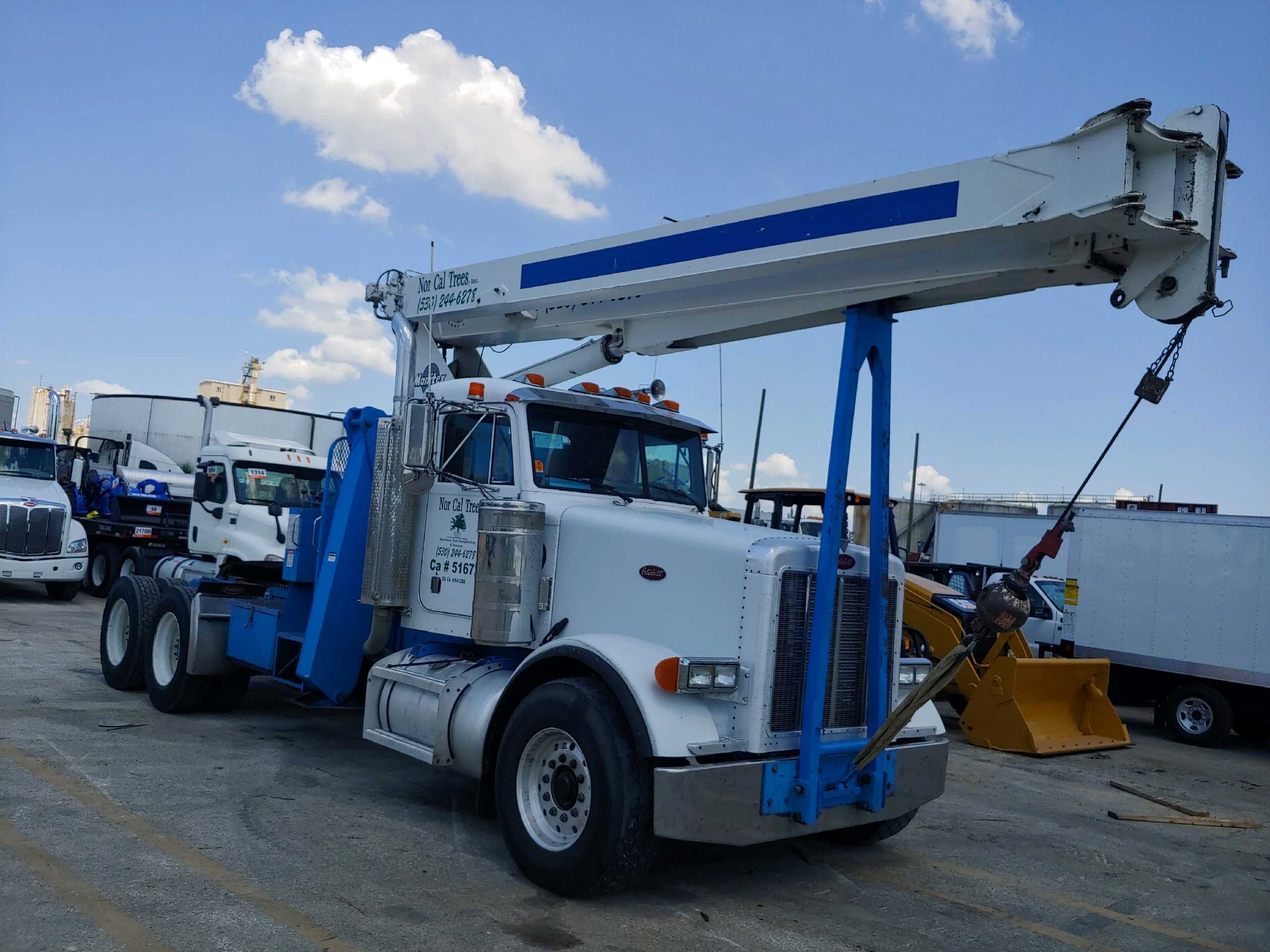
For a bucket truck, the boom matters too. A boom that is not resting fully in its cradle can bounce on the road and damage the cradle, the platform, or the insulated section. Tell us if the boom tie-down strap is missing or the cradle is damaged so the driver can plan for it. Your job as the shipper is not to write the chain plan — it is to hand over a properly stowed truck with any known issues disclosed up front.
Prep checklist before the truck arrives
- Lower the boom fully into its cradle and secure it with the boom tie-down if equipped.
- Stow the platform or bucket, remove liners or loose tools, and close and latch every compartment door.
- Fully retract the outriggers and confirm the PTO is disengaged.
- Fold and pin any jib, winch line, or material handler per the manufacturer’s travel procedure.
- Check for hydraulic leaks; drips on a trailer deck can make a carrier refuse the load.
- Photograph all four sides, the boom, the hour meter, and the VIN plate for the bill of lading.
- Have keys, title or registration, and an on-site contact ready, plus a clear path for the truck to drive or winch on.
What drives the price of bucket truck transport
Miles matter, but so does the mode. A road-legal medium-duty bucket truck on a driveaway move usually prices very differently than a non-running tandem digger derrick that needs an RGN and permits. Stowed height, total weight, pickup access, and timing all move the number. We quote from your real specs, not a generic “bucket truck” line item, so the truck that shows up is the one you were quoted for.
Logi Transports is a Sebastian, Florida freight broker (MC-1636889, USDOT 4230991). We arrange carriers for bucket trucks, digger derricks, and other utility and vocational trucks nationwide. For the full equipment lineup, see heavy equipment transport, and for legal-size loads, our flatbed transport lanes.
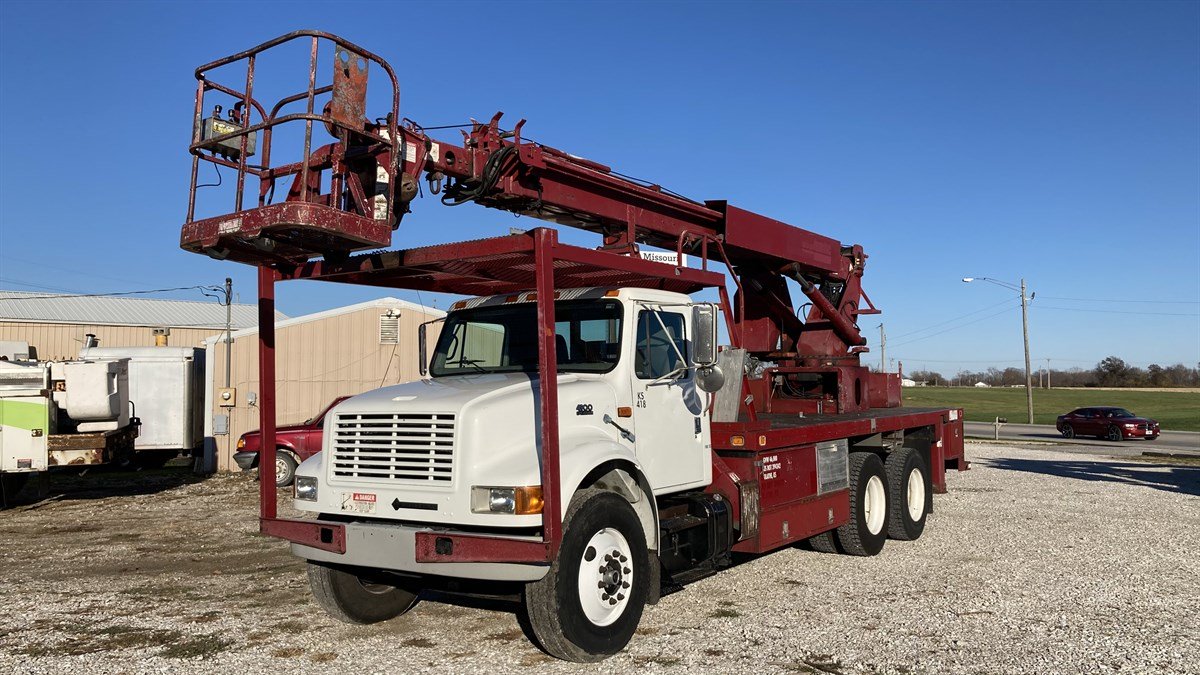
Get a bucket truck transport quote
Send stowed height, width, length, shipping weight, axle count, and whether it runs and is road-legal. Call (864) 791-5644, email quotes@logitransports.com, or submit the quote request form. We will match driveaway, step deck, or RGN and tell you straight if permits are in play, so you know how to transport a bucket truck before the truck is on its way.